Research Chemicals Netherlands: Laws, Safety, and Scientific Use Explained (2026 Guide)
Research Chemicals Netherlands
Introduction
The Netherlands has long been recognized as a central hub for scientific innovation, chemical research, and international trade. As a result, interest in research chemicals Netherlands continues to grow among laboratories, academic institutions, and analytical professionals across Europe.
However, this is not a typical commercial niche. The topic exists within a highly regulated and evolving legal environment, making it essential to understand compliance, safety, and responsible use before engaging with research chemicals.
This guide provides a complete overview of research chemicals in the Netherlands, covering legal status, regulatory frameworks, safety practices, and research applications in a clear and accessible way.
What Are Research Chemicals?
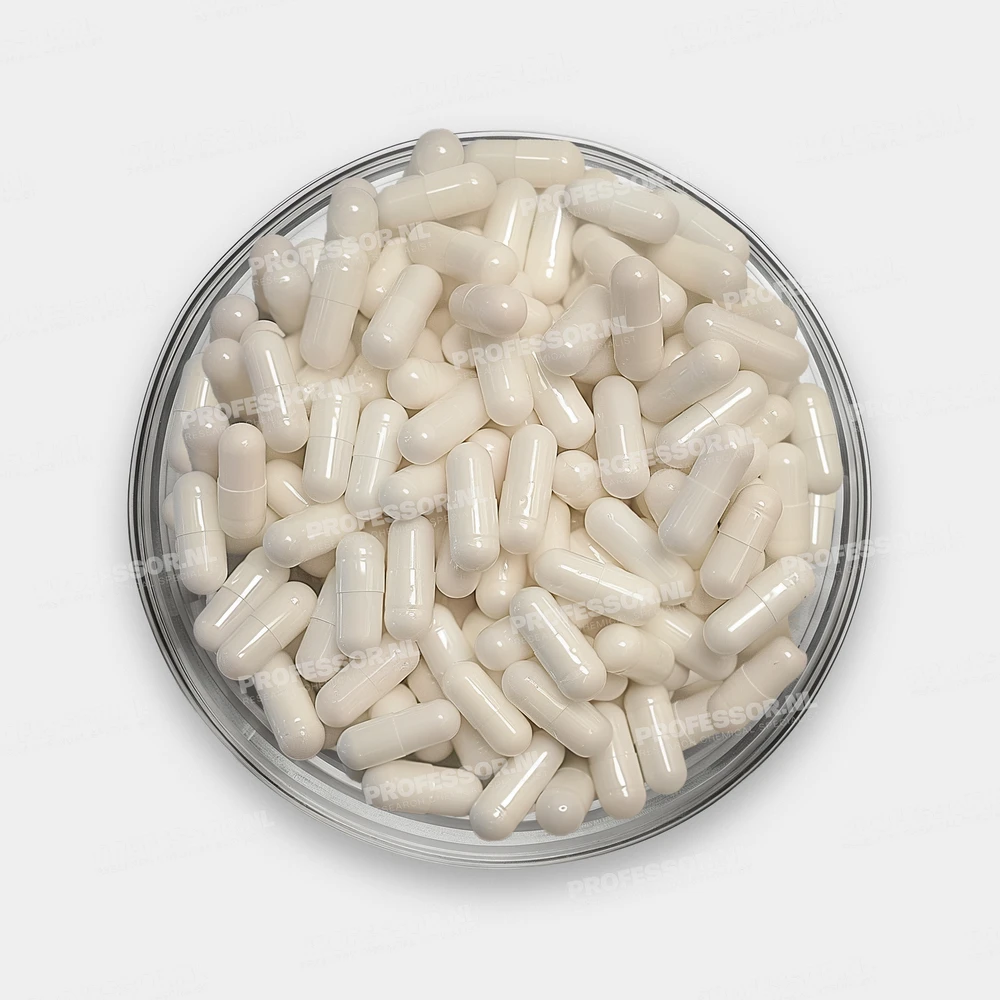
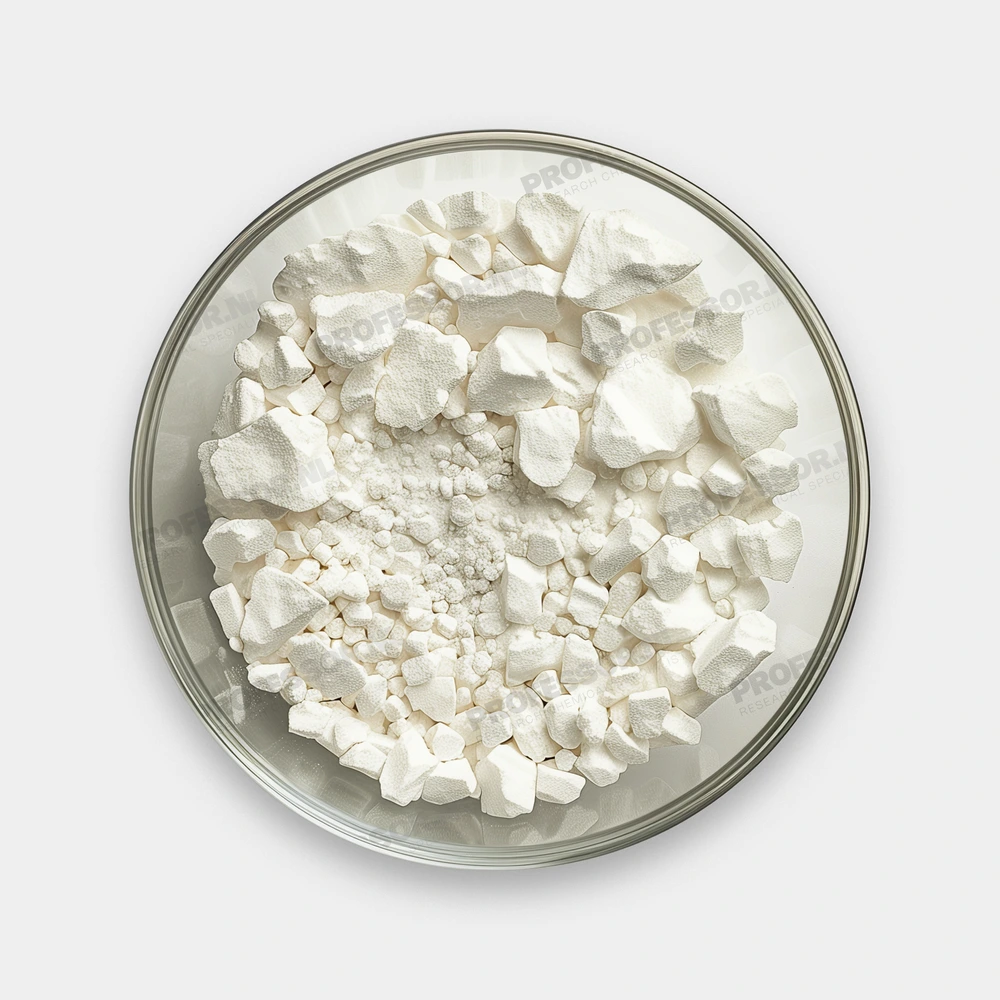
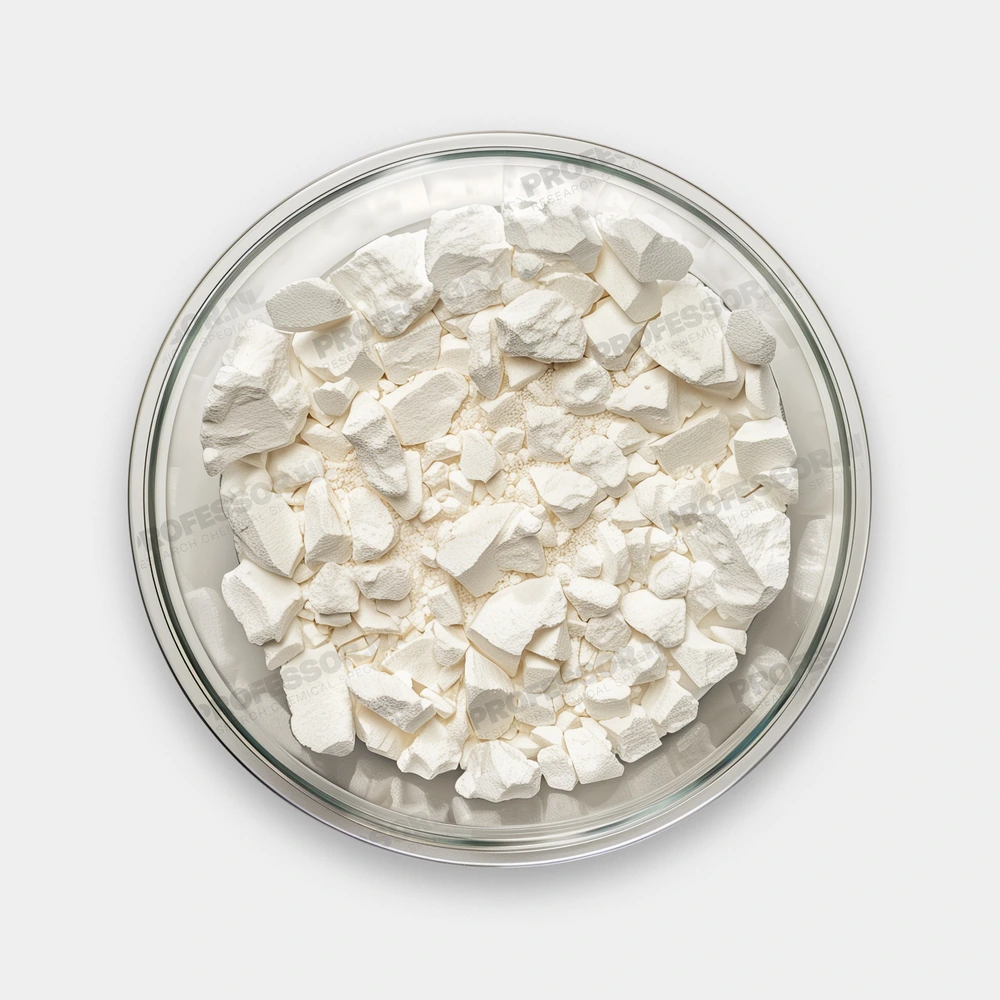
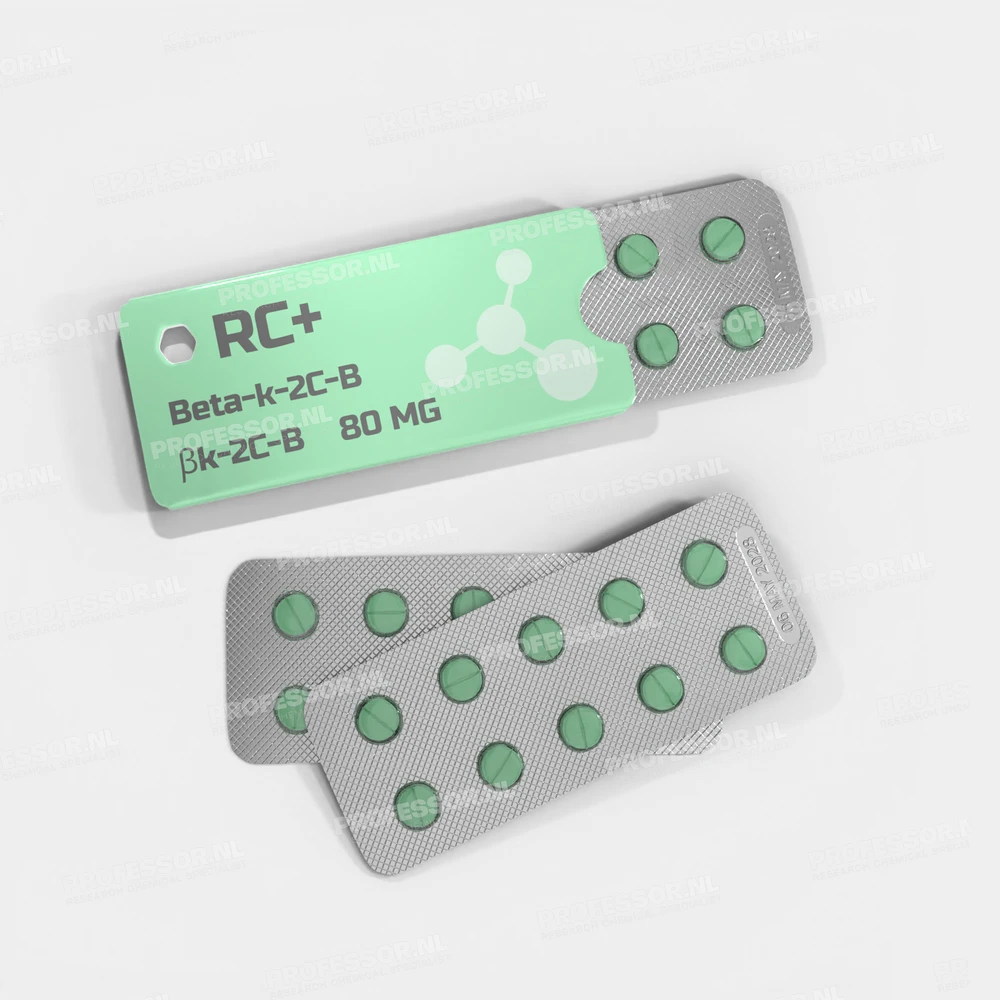
Research chemicals Kopen are substances used primarily for scientific investigation and laboratory analysis. They are not intended for consumer use and are typically handled by trained professionals in controlled environments.
These substances may include:
- Analytical reference standards
- Experimental compounds under scientific study
- Chemical intermediates used in synthesis
- Laboratory reagents
Across the Netherlands and the wider European Union, research chemicals are expected to be used strictly for legitimate research and analytical purposes.
Why the Netherlands Is a Key Location
The Netherlands plays an important role in the European chemical sector due to several advantages:
Strategic Position in Europe
Located centrally within the EU, the Netherlands provides efficient access to major European markets.
Advanced Research Infrastructure
The country is home to leading universities, laboratories, and scientific institutions.
Strong Logistics and Distribution
With major ports and transport networks, the Netherlands serves as a key distribution hub for chemical goods.
Innovation and Scientific Development
Dutch research institutions contribute significantly to advancements in chemistry and related fields.
These factors make the Netherlands a focal point for discussions around research chemicals.
Legal Status of Research Chemicals in the Netherlands
Understanding the legal framework is essential when dealing with research chemicals.
National Regulations
The Netherlands regulates chemical substances through laws that govern:
- Controlled and psychoactive substances
- Hazardous materials
- Chemical safety standards
Authorities regularly update these regulations to address emerging substances and new scientific developments.
European Union Regulations
As a member of the EU, the Netherlands follows several key frameworks:
REACH Regulation
This governs the registration, evaluation, authorization, and restriction of chemicals across Europe.
CLP Regulation
This ensures chemicals are properly classified, labeled, and packaged based on their hazards.
These regulations apply broadly to research chemicals and must be followed by organizations handling them.
Evolving Regulatory Environment
The Dutch regulatory landscape is dynamic. Recent developments include:
- Broader restrictions on groups of substances
- Increased monitoring of new and emerging compounds
- Stronger enforcement of compliance requirements
This means that the legal status of certain substances can change over time, requiring ongoing awareness.
Compliance Requirements
Organizations working with research chemicals in the Netherlands must meet strict compliance standards.
Documentation
Proper documentation is essential and typically includes:
- Safety Data Sheets (SDS)
- Certificates of Analysis (CoA)
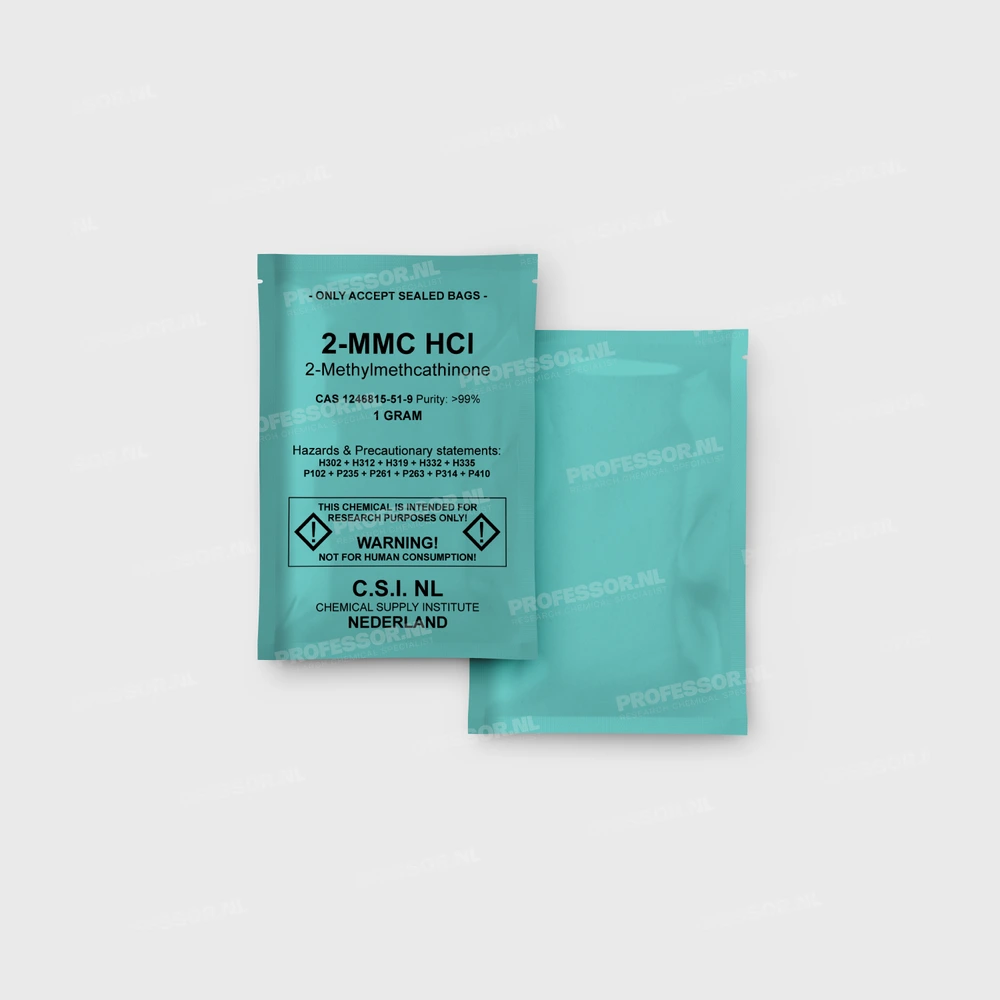
- Hazard labeling in accordance with EU standards
Import and Export Considerations
Even though the Netherlands is a major trade hub, importing chemicals requires:
- Accurate customs declarations
- Compliance with EU safety regulations
- Proper packaging and labeling
Institutional Responsibility
Laboratories and organizations are expected to:
- Maintain internal compliance procedures
- Train staff in chemical safety
- Keep detailed records of chemical use and storage
Safety and Handling Guidelines
Safety is a critical aspect of working with research chemicals.
Controlled Laboratory Environments
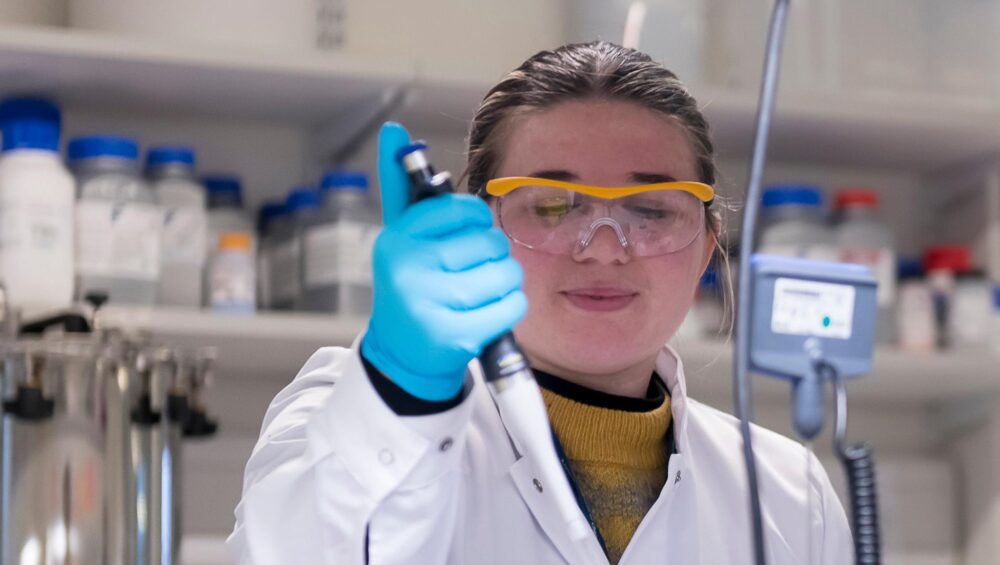
Research chemicals should only be handled in professional settings equipped with:
- Ventilation systems such as fume hoods
- Personal protective equipment (PPE)
- Established safety protocols
Storage Best Practices
Proper storage ensures both safety and chemical stability:
- Maintain appropriate temperature conditions
- Protect substances from light and moisture
- Use clearly labeled containers
Risk Management
Working with experimental substances requires careful risk assessment:
- Evaluate potential hazards
- Follow established laboratory procedures
- Ensure proper training for personnel
Research Applications in the Netherlands
Research chemicals are widely used across different scientific disciplines.
Analytical Chemistry
Applications include:
- Instrument calibration
- Method development
- Quality control testing
Pharmaceutical and Biomedical Research
Used for:
- Early-stage drug research
- Molecular and receptor studies
- Biological interaction analysis
Academic Research
Universities and institutions use research chemicals for:
- Experimental studies
- Scientific education
- Chemical synthesis research
Challenges in the Netherlands Market
Despite its strengths, the research chemical sector in the Netherlands faces several challenges.
Regulatory Changes
Frequent updates to laws require continuous monitoring and adaptation.
Quality Assurance
Variability in supplier standards can lead to:
- Inconsistent product quality
- Incomplete documentation
- Safety concerns
Cross-Border Complexity
Differences in regulations between EU countries can complicate:
- Import and export processes
- Compliance verification
- Legal interpretation
Best Practices for Responsible Use
Organizations can operate effectively by following key best practices:
Stay Informed
Regularly review regulatory updates and industry developments.
Implement Compliance Systems
Establish:
- Standard operating procedures
- Documentation tracking systems
- Staff training programs
Prioritize Safety
Ensure:
- Proper handling protocols
- Secure storage conditions
- Risk management strategies
Frequently Asked Questions
Are research chemicals legal in the Netherlands?
The legality depends on the specific substance. Some are permitted for research purposes, while others are restricted or controlled.
Can research chemicals be imported into the Netherlands?
Yes, but only if they comply with EU and Dutch regulations, including proper documentation and labeling.
Why is the Netherlands important in this field?
Its strong infrastructure, logistics, and research environment make it a key location within Europe.
What is the biggest risk?
The primary risk is non-compliance with regulations, followed by safety and quality issues.
Future Outlook
The research chemicals landscape in the Netherlands is expected to evolve further, with:
- Stricter regulatory oversight
- Increased enforcement
- Continued scientific innovation
Organizations must remain adaptable and informed to operate successfully in this environment.
Conclusion
The topic of research chemicals Netherlands is complex and constantly changing. While the country remains a central hub for research and chemical distribution, strict regulations and safety considerations make responsible handling essential.
Success in this space depends on:
- Understanding legal frameworks
- Maintaining compliance
- Prioritizing safety and scientific integrity
By following these principles, laboratories and organizations can navigate the Dutch research chemicals kopen landscape effectively and responsibly.
Disclaimer
This article is for informational purposes only and does not constitute legal or professional advice. All substances referenced are intended strictly for legitimate research use in accordance with applicable laws and regulations in the Netherlands and the European Union.